Reframing Process Mining as a Self-Service Capability
How the right OCM strategy turned a surveillance fear into user-driven adoption — and reframed a data transparency tool as a capability people reached for on their own terms.
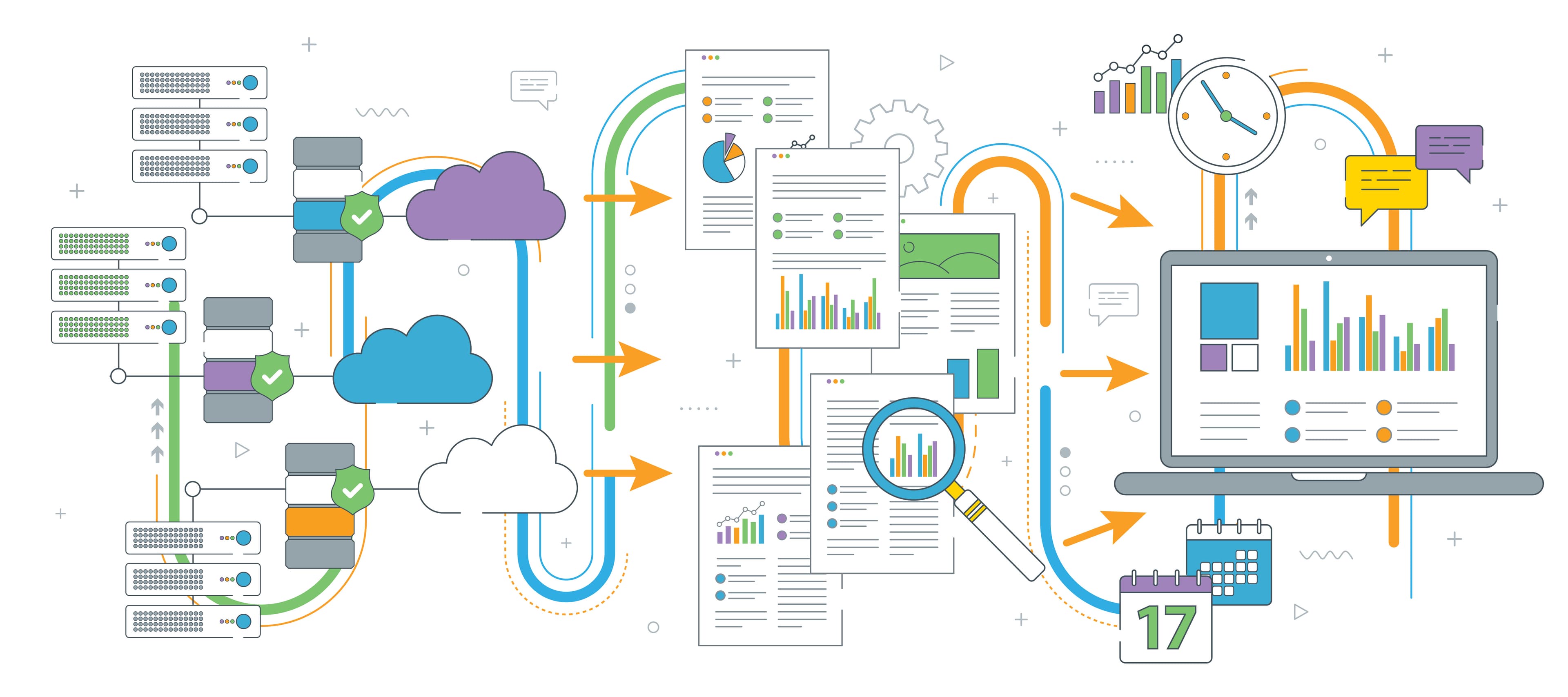
A global energy enterprise was standing up Celonis process mining as a durable enterprise capability — not a one-off analytics project. The platform was going in across three core transactional areas: Procure-to-Pay, Order-to-Cash, and Accounts Payable. The intent was that thousands of people across operations, finance, and supply chain would use it to see how their own work actually flowed and where it got stuck.
Taligens joined as OCM Lead, responsible for stakeholder engagement and communications, training and enablement, and building the adoption infrastructure that would carry the program beyond launch. What followed was less about teaching people a tool and more about changing what the tool meant.
The Real Challenge Wasn't the Tool
On paper, the risk was user adoption. In practice, it was something more specific and more loaded: people were worried they were being watched.
Process mining shows every touch, every handoff, every rework loop — with names and timestamps attached. For teams whose performance had historically been judged by polished monthly reports, a tool that exposed variant paths in near-real time didn't feel like insight. It felt like surveillance. Senior leaders were enthusiastic. The analysts, clerks, and frontline supervisors who would actually work inside the new lens were not.
Layered on top was dashboard fatigue. An enterprise of this scale had been through enough 'new tool' cycles that another one risked being quietly set aside. If the program tried to out-communicate the skepticism, it would lose. The resistance had to be surfaced — and reframed — before it hardened into the story the rollout would be remembered by.
The Approach
The reframe that anchored the entire program: process mining was not a scoreboard being kept on people. It was a mirror people could hold up to their own work — first, and on their own terms. That single shift in framing became the spine of everything else: how sponsors talked about the tool in cascades, what language was retired, and what users saw first when they opened Celonis.
Three parallel workstreams carried the reframe from concept to embedded practice. Each was pointed at the same goal: making the tool feel like it belonged to the people who used it, not something being done to them.
Three Tracks, One Reframe
Listening Before Broadcasting
Before a single communications piece went out, the full stakeholder map was worked through in each process area. The people most likely to push back were met first. What they said shaped the executive narrative — so when sponsors spoke about the tool, they named the surveillance concern directly rather than hoping it wouldn't come up.
A Communications Cadence That Named the Fear
The communications strategy was built around the reframe, not around features. Leaders were equipped with language that acknowledged the 'being watched' concern and replaced it with a different story — one they could tell in their own voice, not a corporate script. The cadence reinforced the narrative at every touchpoint.
Role-by-Role Training
Generic 'here's how Celonis works' training would have reinforced the tool-fatigue problem. The curriculum was designed role by role — what a Requestor needed was not what an AP analyst needed, and neither was what a process owner needed. Every session started from a question the user actually had about their own work, and used Celonis to answer it.
From Tool Training to Question Answering
The measure of success for training wasn't completion rates — it was whether people stopped asking 'what does this tool do?' and started asking 'what can it tell me about my process?' That shift happened in room after room as participants recognized their own work in the data and started directing the inquiry themselves.
An Embedded Champion Network
Reaching thousands of users centrally was never going to work, and a top-down rollout would have re-triggered the exact resistance the reframe had resolved. Super-users were embedded inside each function — trained deeper than their peers, empowered to answer questions in the language of their own team. The champions became the adoption engine.
A Community of Practice the Organization Owned
The champion network was designed to outlast the engagement. By transition, the enterprise had a community of practice it owned — not a dependency on external consultants to carry questions forward. That handoff was built into the program structure from the beginning, not retrofitted at the end.
Process mining wasn't a scoreboard being kept on people. It was a mirror people could hold up to their own work — first, and on their own terms. Landing that reframe took more than a slogan.
How It Unfolded
The program moved in four stages — each one building the conditions the next required.
- Discovery & Resistance Mapping
Stakeholder mapping across all three process areas. Listening sessions with the populations most likely to resist — before the resistance had a chance to organize. The surveillance concern was surfaced and documented as the brief for the reframe, not treated as an obstacle to manage later.
- Reframe & Sponsor Alignment
The 'self-service lens' narrative was defined and tested with sponsors. Language that reinforced the surveillance fear was retired. Leaders were coached on how to introduce the tool in their own operating rhythms — using it visibly themselves rather than selling it to their teams.
- Training & Champion Network
Role-by-role curriculum built and delivered across all three process areas. Super-users selected, trained to a deeper level, and seated inside their functions. The champion network stood up as the primary adoption channel — peer-to-peer, in the language of each team.
- Transition to Owned Capability
The community of practice handed to the organization. Leaders using Celonis in their own operating rhythms — referencing it as a capability they reached for, not a dashboard they were expected to check. The OCM engagement closed with the adoption infrastructure running independently.
What Changed
The outcomes here are qualitative — the engagement was designed to shift posture and narrative, not generate quarterly metrics. These are the shifts that were visible by the time the program closed.
Leaders moved from selling the tool to using it
Sponsor posture shifted visibly — from presenting Celonis to their teams to referencing it in their own operating rhythms. That shift gave the reframe durability beyond launch: the message was now demonstrated, not just communicated.
The surveillance question stopped dominating the room
Over the course of the program, the first question in rooms changed. The 'are we being watched?' concern was replaced, function by function, with users asking how to interrogate their own process variants — the exact question the tool was designed to answer.
A self-sustaining community of practice
The champion network outlasted the implementation engagement. The enterprise had a peer-to-peer adoption infrastructure it owned — a community of internal experts who could carry questions forward without external consulting support.
Process mining became something people reached for
In the organizations where the program ran, process mining stopped being framed as 'another dashboard' and started being referenced as a capability — one employees and leaders reached for when they had a real question about how work was actually flowing.
Is this kind of engagement right for your organization?
This work is built for organizations facing the following conditions:
- You are deploying a data-intensive tool — process mining, analytics, or real-time performance visibility — that could be perceived as surveillance by the people who use it.
- Senior leaders are aligned, but the frontline and middle-management populations who will actually work inside the tool are not.
- Your rollout spans thousands of users across multiple functions and regions — top-down cascade alone won't carry adoption.
- You need an adoption infrastructure — champions, a community of practice — that the organization owns after the implementation engagement ends.
- The resistance you are managing is identity-based, not just technical: people need to see the tool as working for them before they will use it consistently.
Ready to turn a data-heavy tool into a capability your organization actually reaches for?
Let's talk about how the right OCM strategy changes what a new technology means to the people who have to use it.